

Recently I joined Ed Gotham from CMC markets in the Opto Sessions podcast. I discussed what tech trends will shine in the next five to ten years, how I started I/O Fund, and how we spot the right tech stocks. Also, don’t miss out on the quick-fire questions towards the end of the session.
Please note, this interview was recorded on June 18th, 2021 and later released on June 28th, 2021later released on June 28th, 2021
Here's a timeline followed by a written summary of the key points:
Interview timestamps:
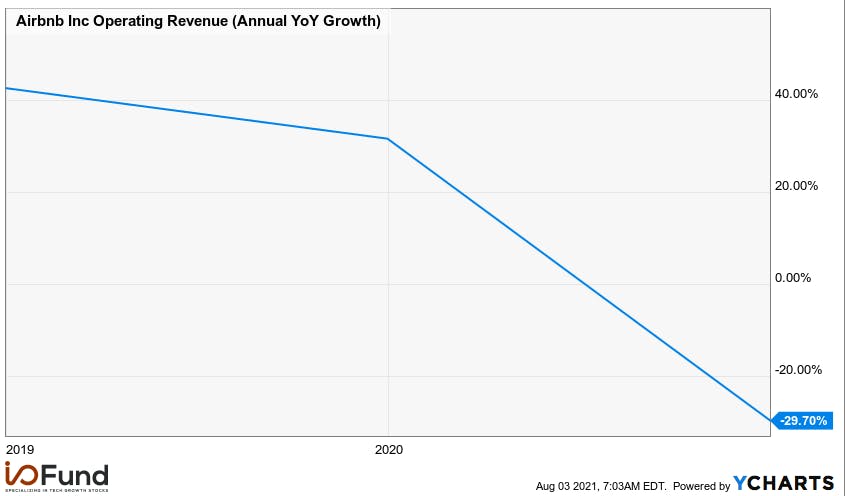
0:29 Introduction 02:06 IPO valuations 06:24 Airbnb 07:50 Trends for the next 10 years 09:00 Isn’t Waymo going to kill AI 9:41 Nvidia 12:50 Robotics 17:29 Market inefficiency with tech 20:00 Palantir 25:43 Snowflake vs Fastly 29:28 Background of Beth Kindig 33:04 I/O Fund focus 36:56 Electric vehicles 39:33 Xpeng 41:54 Thoughts on investing in Chinese market 49:25 Strategy at I/O Fund 59:23 Market trends 1:01:49 Favorite pick 1:06:01 Destructive theme
Trends for the next decade
I believe that Artificial intelligence is an important theme for the next five to ten years. I have a decade working in the tech industry, which helps me to understand the key trends. It’s difficult for someone who is not from a tech background to pick good AI stocks. The reason is that a lot of companies use the buzzword “AI” in their description, and many companies are not actually AI companies.
The optimal innovation will come from private companies. Even though big companies like Google might spend a lot on research and development; they will have to rely on M&A to truly beat their competitors.
When I was working as a privacy advocate around the time mobile data was creeping into every marketer and advertiser’s coffer, I had raised concerns about companies tracking customers without their consent through cookies. With AI, companies do not need to track a customer’s every move. For example, Netflix’s recommendation engines are run on AI. When a customer chooses a few movies, Netflix’s AI will figure out what you might want to watch next without tracking your every move, like the data collection practices of the last decade.
Manufacturing and agriculture are also becoming AI industries. For example, John Deere is a prominent company in robotics. When you look from a budget perspective, the returns on automation are attractive to corporations.
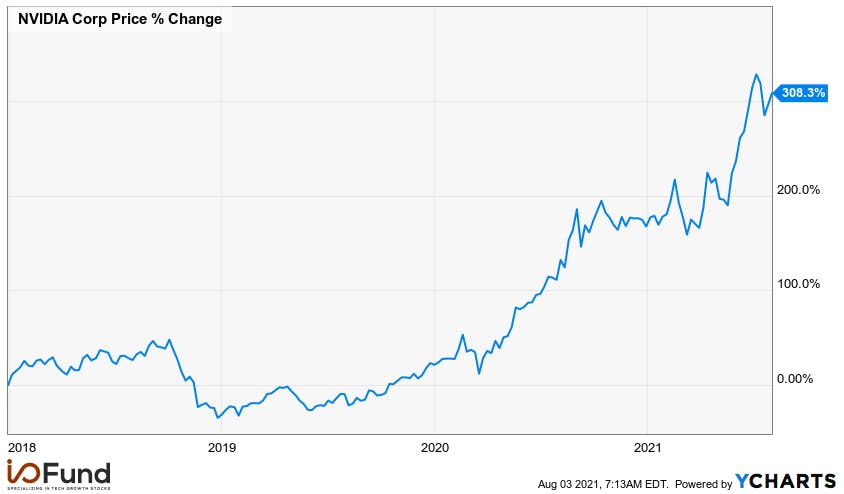
The market is inefficient with tech because tech does not cooperate with forward earnings revisions and cash flow analysis. It is all about the product and so investors have to understand the product and see where the company is headed on a product road map before the market spots it. This was the case of Nvidia back in 2018 when the market could not price it correctly. Meanwhile, if you looked at the product and understood it, you would know that Nvidia was the best choice for the AI accelerator chip because of its parallel computing.
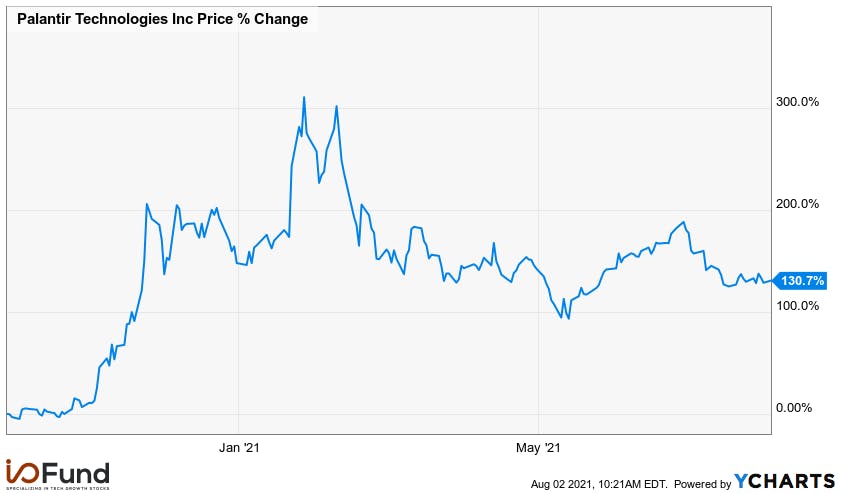
Palantir went public at the same valuation as their last private round; this was the reason why the stock doubled. That was a smart move. I had a done a deep dive analysis on Palantir and the reason why I passed on this company is because they have a lot of government contracts. I have seen in the past that companies with government contracts can make it difficult for them to move to the commercial space. It doesn’t mean that they cannot pull off, but that particular risk was too significant for us to invest at the onset.
Technology Background
I arrived in the Silicon Valley area in the year 2010. I initially worked with real estate companies to fund my education. I then started to write about private tech companies and the granular differences between products. I worked with many startups writing about their products and also worked as a product evangelist for a holding company.
I can build a portfolio of 30 companies from 10 different technologies because I worked with 300+ startups. I was at security conferences, ad tech conferences, streaming media & OTT conferences, among others, and my job was to communicate very clearly why you should go with a particular product over its competitors.
What is I/O Fund focus?
Similar to how I covered private companies, I figured it could be helpful to provide the same level of analysis on public companies and describe why a particular company will be a winner before the market is able to accurately price the company. I started to write about public markets and people made good money on my articles. Some of the stocks I wrote about did very well.