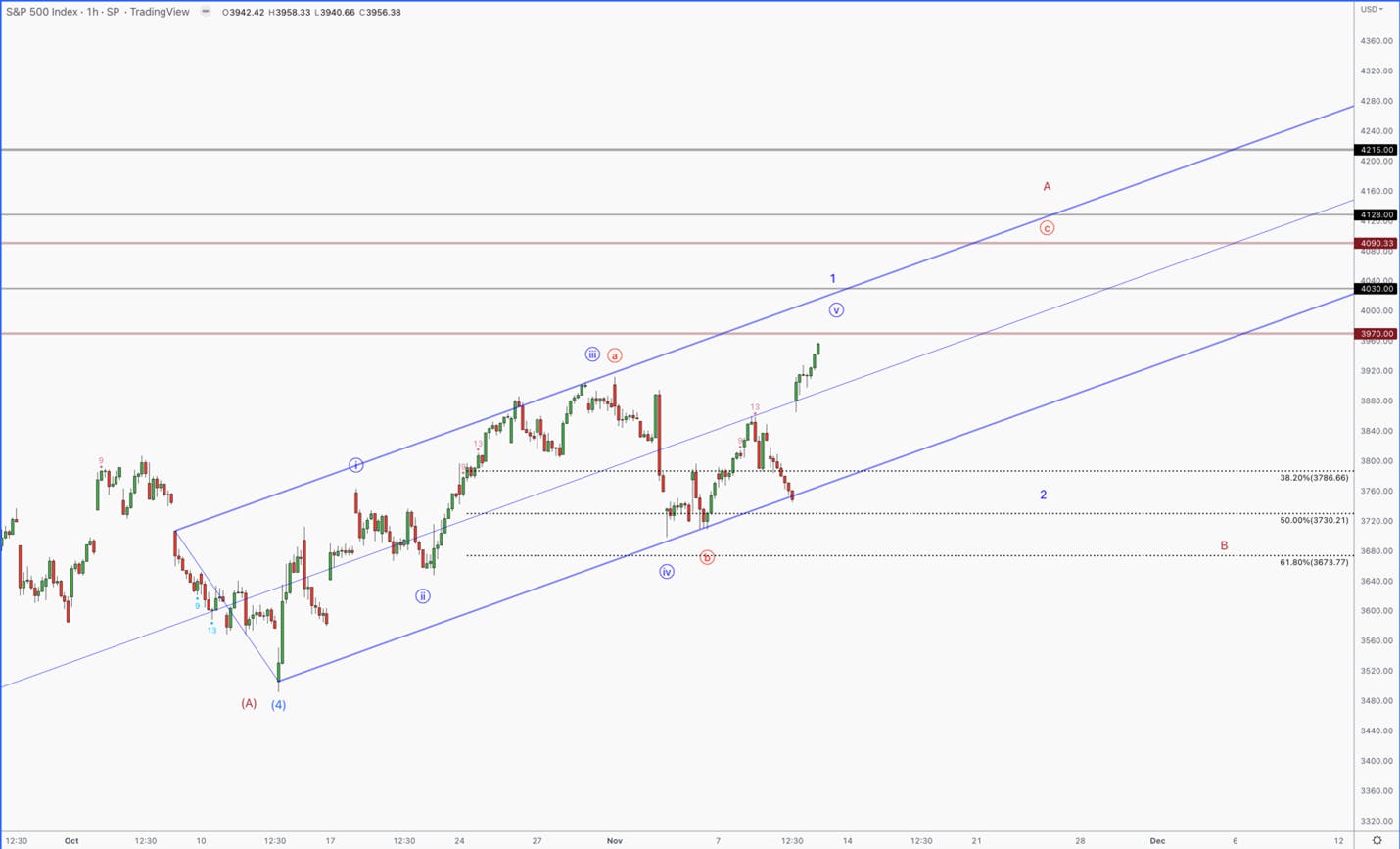


Last week, the market went through one of the largest intraday swings since the bear market began in 2022. Since then, we have reclaimed that high. The question is: what does this mean for the market in the long term?
How the Chaos Began
It started with the FED. They indicated they are now more open to pausing interest rate hikes, which sent markets soaring. The Federal Open Market Committee (FOMC) announced that, instead of reacting to only the latest inflation numbers, they will take in the “cumulative effect” of all their rate hikes.
They further acknowledged that the aggressive actions they’ve taken to combat inflation need time to play out. In other words, it remains to be seen whether they will they be seriously damaging, ineffective, or somewhere in-between. This startling self-awareness implied that the FOMC may not need to aggressively raise rates until the effects of their rate changes are truly obvious.
The market jumped 1.5% on this announcement, as pundits began to suggest a pause was insight.
However, in the speech that followed, Jerome Powell halted bullish emotions. He acknowledged that inflation has not come down as expected, even though supply chain issues that plagued most of 2021/2022 have been resolved. But he called a pause “very premature”— there’s still so much further to go, both in how high the rate could go and in the duration that they need to stay in the stratosphere.
And so, the press conference led to a plunge in the S&P 500, which closed down -3.4% from its high earlier in the day. It became the worst sell off on a FED-day since January, which has led to a retrace of most of the bounce from the October 13th low.
What Happens Next
You might assume we should brace ourselves for a new low in the S&P 500. That would be the prevailing trend preceding every FED meeting this year, but the market isn’t operating in a vacuum, and when you look outside of the S&P 500, a different story continues to emerge.
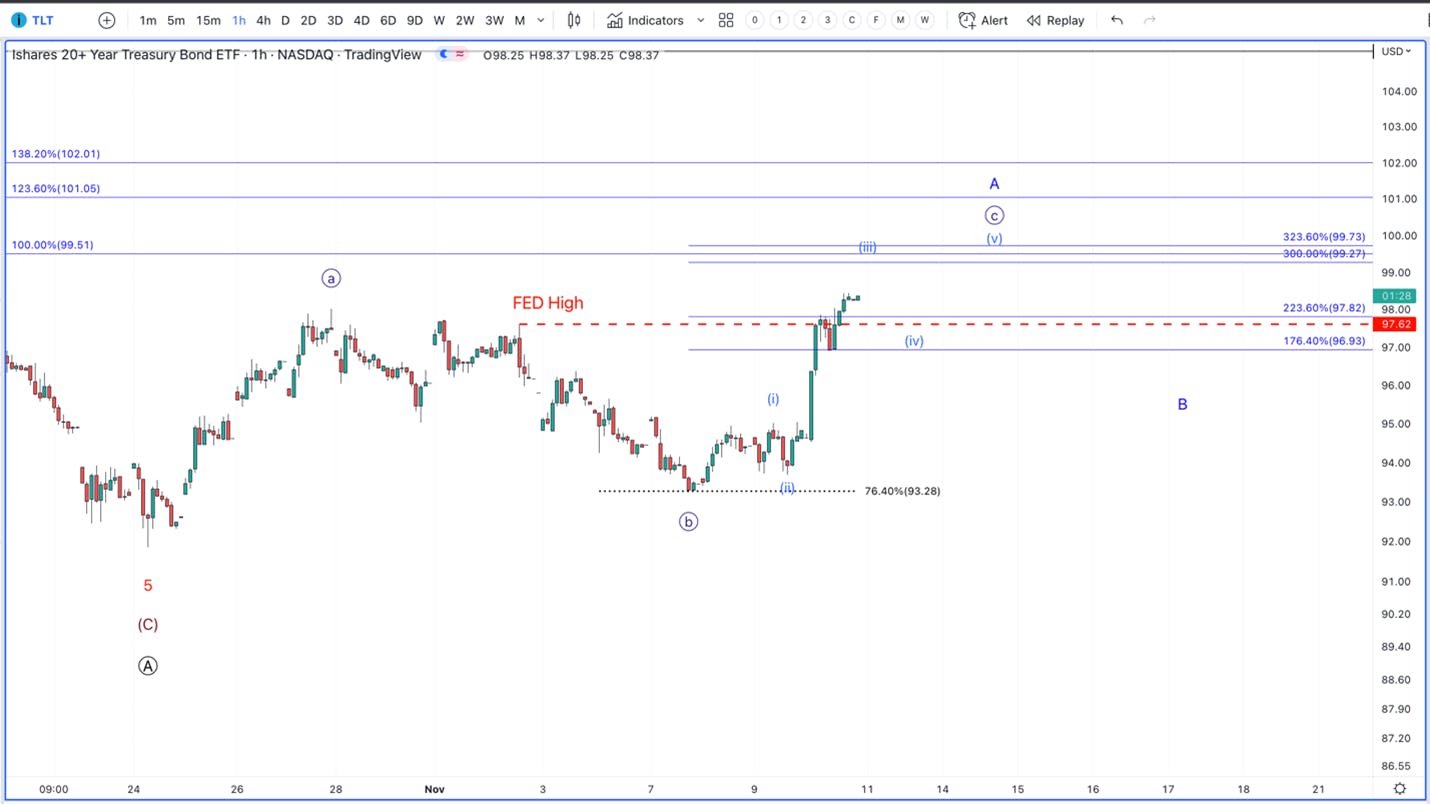
While some FAANGs and tech darlings, like TSLA, continued lower, many sectors and global markets continued higher. We’ve been trained for over a decade to follow tech, as it will lead the market. However, a seismic shift is occurring in real-time, as new leaders are being minted. The bond market was signaling to anyone listening that this FOMC meeting was different, as the complex bottoming process we have been discussing for weeks continues to build.
This shouldn’t be a surprise to our regular readers on Seeking Alpha. Here’s what we’ve been saying:
“…more and more signs are pointing to a bigger trend reversal underway.”
“…global markets did not follow the S&P 500 to new lows last week. Instead, they are signaling that a new push higher is likely to follow.” new push higher is likely to follow.”
“…the last time we saw these patterns was in mid-June, just before the market moved up 18% in less than 2 months…”
Those predictions, by the way, were all within the past month.
Value is a Major Indicator of the Next Upward Swing
The Big Five tech companies, also known by the acronym the FAANG, are having a rough time, especially Facebook (where thousands are being laid off), and Amazon and Google, which hit new lows, most people ignored what the rest of the market was saying.
Last week we discussed how boring Caterpillar and JPM Morgan have made their first higher high, as they are closer to making all-time highs than lows. This week, we will continue with theme from a broader perspective.
The DOW
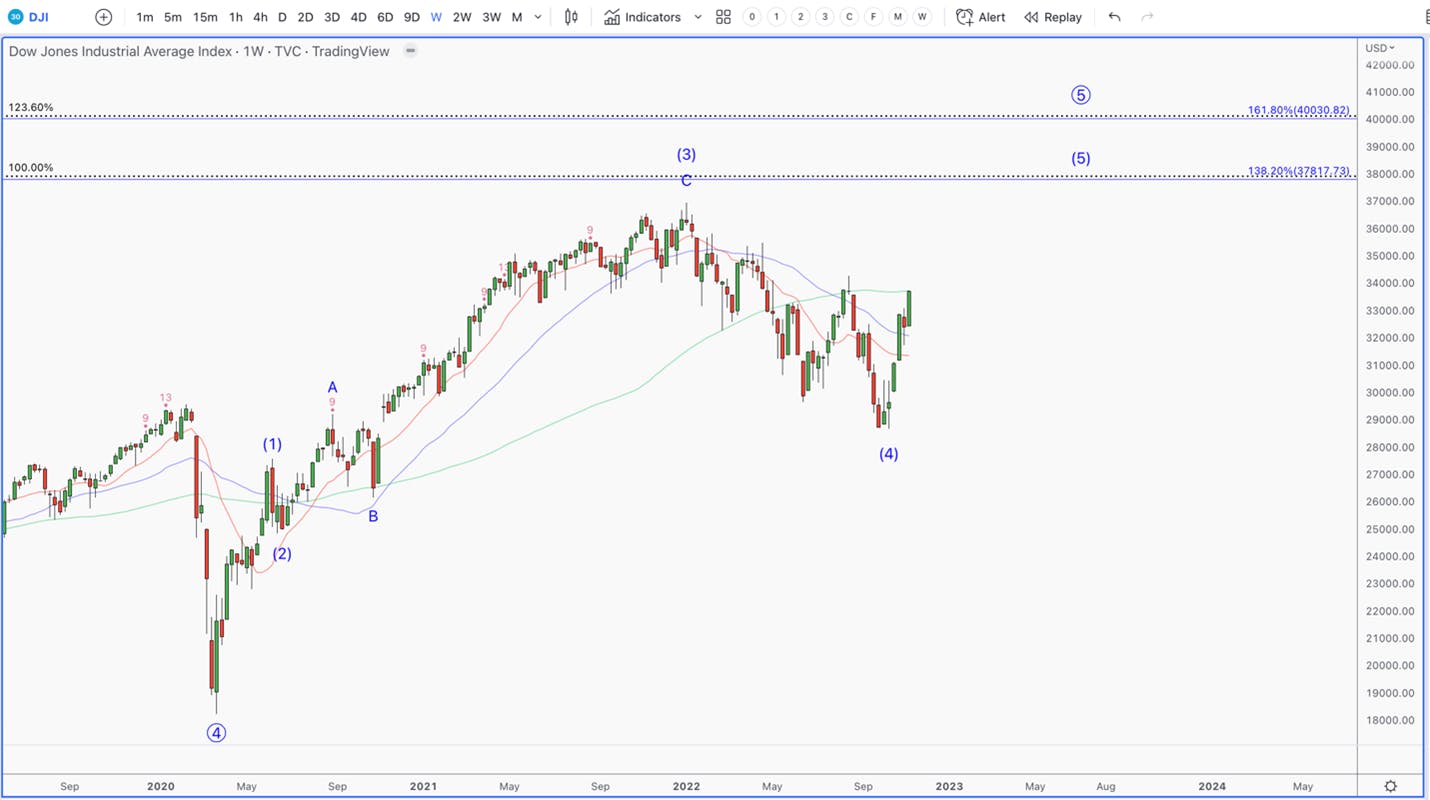
The oft-ignored Dow Jones Industrial Average (DJI) has just given us a clean and clear 5 wave pattern off its late September low, while also reclaiming the 200 day-moving average. Not only did it bottom before the NASDAQ and S&P 500, but this 5 wave pattern suggests a much larger trend is developing. Translation: If the next pullback holds the low, and we can breakout to new highs, I see the Dow Jones powering to new all-time highs in the coming months.
This is not only limited to U.S. value stocks. Global markets are also setting up for a bigger push higher. The French CAC-40 and German DAX have recently broken out of their bear market down trends. This is in light of Europe facing all the problems the U.S. is facing currently facing with inflation, on top of a serious energy crisis.
The Canadian TSX as well as the Australian XJO have broken out of their bear market trend lines. Interestingly, these too markets appear to be setting up for a run the higher highs like the Dow Jones.
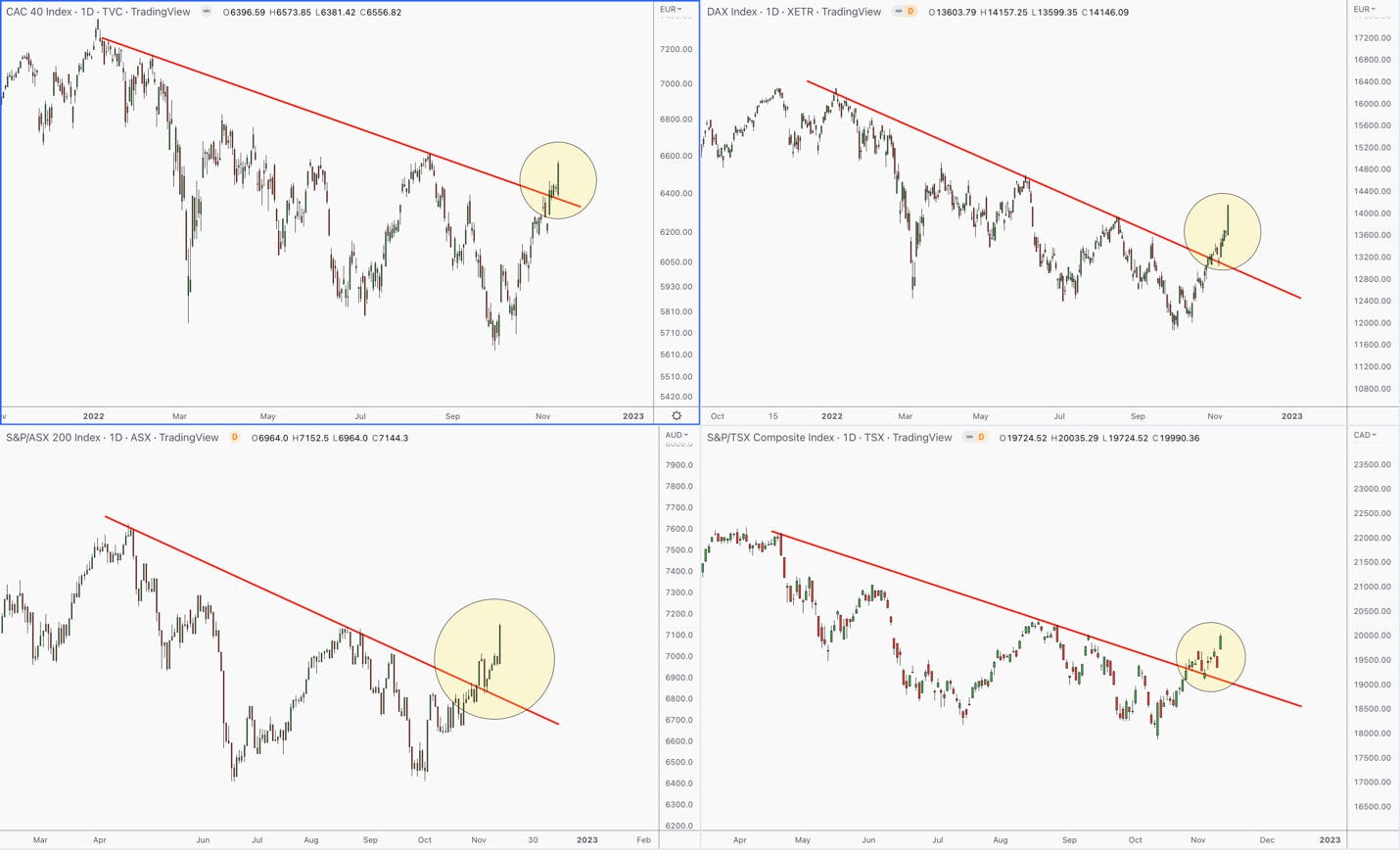
The reason I am mentioning this is because really big trends occur when all markets are moving in the same direction. While tech and some FAANGs have a setup to go lower, the rest of the market looks like it is setting up to go higher. It’s important to track these markets in order to get clues on when bottoms (and tops) are developing. A bottom never happens when everyone is expecting it, and it almost always happens when sentiment has reached a bearish extreme.
Transportation Is Having a Bonanza
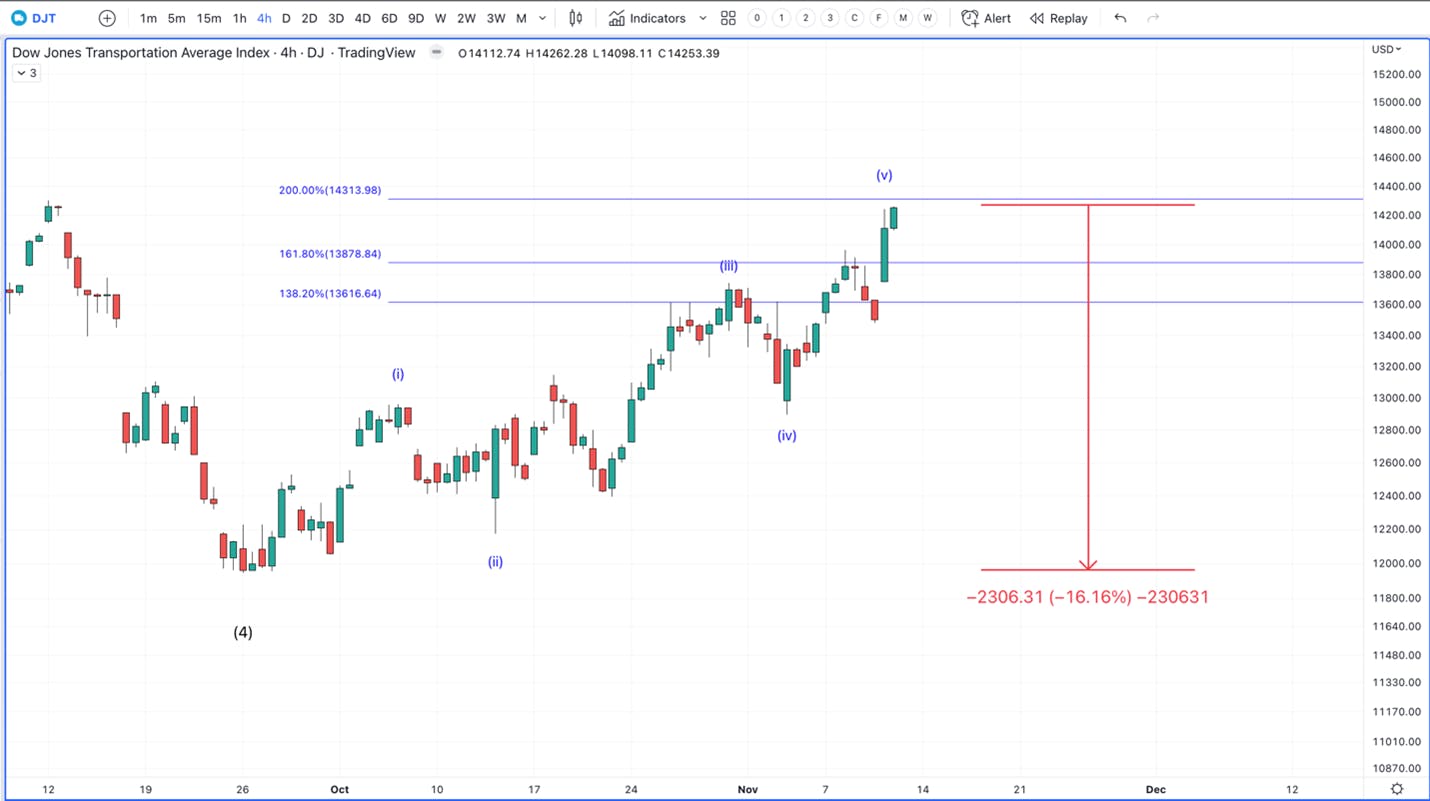
The transportation sector has historically been a leading indicator of America’s economic growth, and therefore it often leads the stock market.
The Dow Jones Transportation ETF (DJT) is also exhibiting relative strength compared to the broad market. While the Tech heavy NASDAQ-100 is about 9% off its lows, and the S&P 500 is 12% off its lows, DJT is over 16 % off its lows.