

The I/O Fund believes venture capitalists are some of the world’s best tech growth investors so we were thrilled to join Jason Calacanis on This Week in Startups. Jason is a successful angel investor with a portfolio that includes Uber, Robinhood, Wealthfront and Calm. In the fast-moving podcast, we covered topics including:
· SPACs, which ones you should own and which ones you should avoid
· The difference between bubbles and bear markets
· How Roku has been able to stave off Big Tech
· Why I/O Fund is ultra-bullish on Nvidia
· Whether China is worth the risk
· If hybrid work-from-home is an investable trend
Timestamps:
1:19 SPACs
5:25 Interesting SPAC story
16:43 Roku
27:00 Will tech spin-offs create more value?
30:45 Nvidia
36:16 Robinhood
43:21 Chinese stocks
48:43 Post-pandemic world
49:52 Hybrid work-from-home
59:26 Crypto
1:11:32 Gemini
SPACS
SPACS gives a chance to investors to invest in early-stage tech. It has got its pros and cons. Some of the merits include that individual investors can get a better price and higher returns. It would be prudent for investors to have the right skill sets to choose the best stocks since the early growth company’s financials could be limited compared to well-established companies. Investors also should be careful about companies banking on a lot of forward growth because if they miss estimates and the stock sell’s off immediately.
At the same time, we cannot ignore the SPAC market as we could miss some of the best growth opportunities. We will need to have some risk management and a good exit strategy; this is how I/O Fund approaches the SPAC market. We found stories that we liked, played some momentum, and we had an exit strategy.
Video clip: From 0:25 till 5:22 minutes.
Macro Trends (Is it a bear market now?)
The current market situation is not like the 1999 or 2008 bear markets. Many investors think that the sell-off of the last year was a bear market. It was just a bubble because of irrational, momentum-driven, and human psychology. We have seen many such bubbles in the past few years. So, bubbles don’t mean bear markets. It means that there’s an excess of liquidity. What leads to bear markets and recessions is typically Central Bank policy, which is incredibly loose right now. The U.S Federal Reserve is expected to continue this policy to stimulate growth a little longer.
Video clip: 9:22 to 11:05
Can Roku fight big tech?
Roku has the first-mover advantage in advertising-based video on demand (AVOD) versus subscription video on demand (SVOD) specifically not only by the cord cutters but also from the brand advertisers. They have designed an operating system that is cheap and flawless and fits well with smart TVs. All that is great because they have the hardware and the operating system. But ultimately, Roku’s path to Wall Street gains is that they are an ad platform.
We are moving into a world where advertisers on linear pay-TV are moving on to the cord-cutter companies like Roku. For the first time in 37 years, Budweiser did not advertise in the super bowl this year. So, the addressable market is huge for companies like Roku.
Video clip: 16:55 to 21:05
Bullish on Nvidia
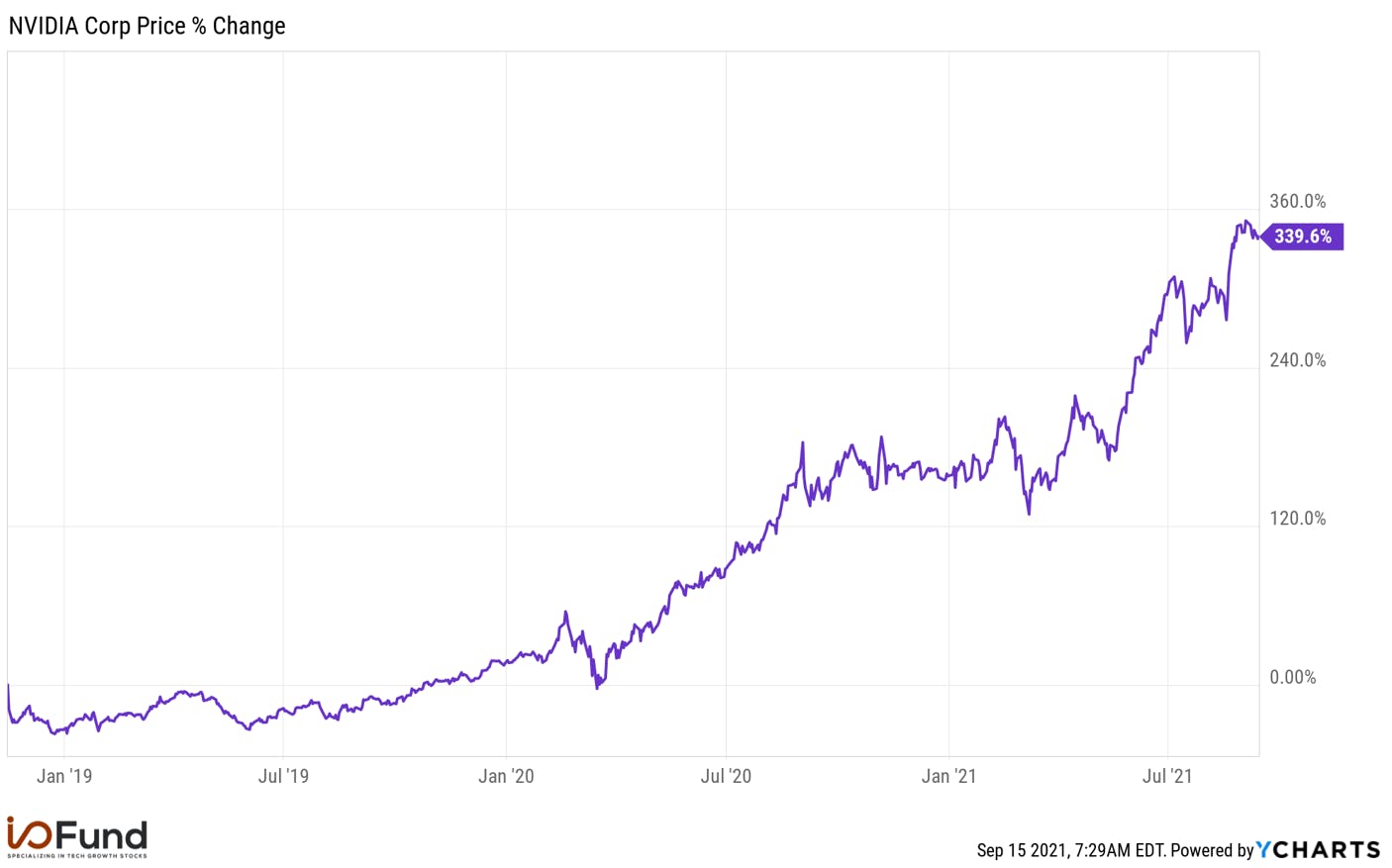
Nvidia has yet to tap its real market, which is Artificial Intelligence (AI). A lot of people talk about gaming. But I firmly believe that this is a data center and an AI accelerator play. Most of the industries in the future will run on Nvidia. This is a big statement from me since I have researched very well and been writing about it for about three years. The stock is up 340% since my initial coverage. The main differentiator for Nvidia is GPU chips which are very good for AI.